
Protecting Your Teeth With Dental Crowns
Not every damaged tooth needs to be completely replaced with a dental implant. As a matter of fact, your Old Bridge dentist will try to save as much of your natural tooth as possible. To protect your tooth from more damage, however, Dr. Ruma Anand will recommend a dental crown.
At Midjersey Smiles, we’ve spent years building a dental home where Old Bridge families feel genuinely cared for. We believe you should never feel surprised at the dentist’s office. That’s why our team walks you through every procedure step by step, reviews what your insurance covers before treatment begins, and offers clear, upfront pricing. No hidden fees. No pressure. Just honest care focused on what’s best for your smile. Call our dental office today at (732) 727-0895 to schedule your appointment.
What Are Dental Crowns?
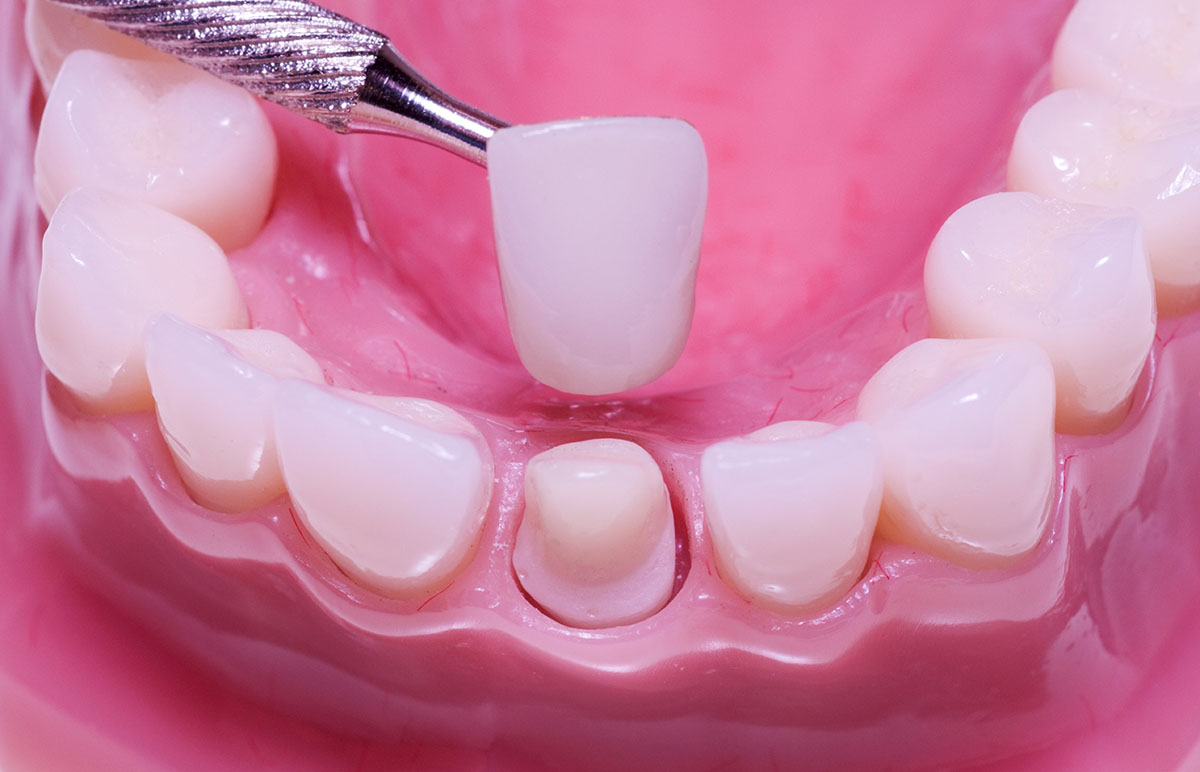
A dental crown is a tooth-shaped cap that is placed over a damaged or weakened tooth to restore its shape, size, strength, and appearance. Once cemented in place, the crown covers the entire visible portion of the tooth above the gum line, effectively becoming the tooth’s new outer surface.
Crowns are made from a variety of materials depending on the location of the tooth, your bite, and your aesthetic preferences. The most common materials include:
- Porcelain or ceramic: These offer the most natural appearance and are a popular choice for front teeth. They can be color-matched to blend in with adjacent teeth.
- Porcelain-fused-to-metal (PFM): These combine a metal substructure with a porcelain exterior, offering both strength and aesthetics. They are often used for back teeth.
- Gold and metal alloys: Extremely durable and well-suited for molars that endure heavy chewing forces. Less cosmetically appealing but incredibly long-lasting.
- Zirconia: A newer, high-strength material that offers excellent aesthetics and durability. It has become increasingly popular for both front and back teeth.
At Midjersey Smiles, Dr. Ruma Anand carefully evaluates each patient’s unique dental needs and preferences before recommending a crown material. The goal is always to achieve a restoration that feels natural, functions well, and looks great within your smile.
Benefits of Dental Crowns
The reasons patients in Old Bridge, NJ, seek dental crowns are as varied as the patients themselves. Crowns serve both restorative and cosmetic purposes, making them one of the most flexible tools in modern dentistry. Here is a look at the core benefits they provide:
- Structural protection: When a tooth is cracked, fractured, or severely decayed, it is vulnerable to further breakdown. A crown seals the tooth and holds it together, preventing additional damage.
- Restoration after root canal therapy: Teeth that have undergone a root canal become more brittle over time. A crown placed over the treated tooth provides the reinforcement it needs to continue functioning normally.
- Long-lasting results: With proper care, dental crowns can last anywhere from 10 to 15 years or longer. Many patients enjoy their restorations for decades without needing replacement.
- Improved appearance: Crowns can transform the look of a discolored, misshapen, or heavily worn tooth. Dr. Ruma Anand uses high-quality materials to create crowns that closely mimic the natural translucency and color of real teeth.
- Better chewing function: A damaged tooth can make chewing painful or difficult. A crown restores the tooth’s biting surface, allowing you to eat comfortably again.
- Support for dental bridges: Crowns are used to anchor fixed dental bridges, filling in the gap left by one or more missing teeth.
- Protection for weak teeth: Teeth that have large fillings or have been weakened by decay are at risk of fracturing. A crown placed proactively can prevent a more serious problem down the road.
For patients at Midjersey Smiles, these benefits translate into real improvements in daily life. Dr. Ruma Anand takes the time to discuss each patient’s goals so that the recommended treatment plan genuinely serves their long-term oral health.
Consequences of Going Without a Crown
After some procedures, such as root canals, your tooth is left weakened. Dental crowns are imperative for your dental health. Without them, you may be leaving yourself at risk for:
- Serious infection and abscess
- Shifting teeth
- Severe tooth decay
- Tooth fracture, requiring extraction
The Dental Crowns Process
If you are a candidate for a dental crown, knowing what to expect during the process can help ease any anxiety. At Midjersey Smiles in Old Bridge, NJ, Dr. Ruma Anand walks patients through each step with transparency and care. Here is a general overview of how the dental crown procedure unfolds:
Step 1: Initial Examination and Consultation
The process begins with a thorough examination of the affected tooth. Dr. Ruma Anand will take X-rays to assess the roots of the tooth and the surrounding bone. If there are signs of decay or infection, those issues will be addressed before the crown is placed. During this visit, you will also discuss your material preferences and any concerns you may have.
Step 2: Tooth Preparation
To accommodate the crown, a small amount of tooth structure must be removed from the sides and top of the tooth. This reshaping creates enough space for the crown to fit snugly without feeling bulky. Local anesthesia is administered to keep you comfortable throughout this process. If the tooth is too damaged to support a crown on its own, a buildup material may be used to create a stable foundation.
Step 3: Impressions and Temporary Crown
Once the tooth is prepared, an impression is taken to capture its exact dimensions. This impression is sent to a dental laboratory where your permanent crown will be custom-crafted. In the meantime, a temporary crown is placed over the prepared tooth to protect it and maintain your appearance and bite function while you wait.
Step 4: Placement of the Permanent Crown
When your permanent crown is ready, you will return to Midjersey Smiles for the final placement appointment. The temporary crown is removed, and the new crown is checked for fit, bite alignment, and color match before being permanently cemented in place. Dr. Ruma Anand makes any necessary adjustments to leave you with a comfortable, natural-feeling restoration.
Every treatment at Midjersey Smiles is tailored to the individual patient. Dr. Anand takes time during each visit to review your dental images with you, discuss your options, and answer every question before a single instrument is picked up. That commitment to informed, personalized care is why so many of our patients have been coming back for years.
How To Care for Your Dental Crowns
A dental crown is a significant investment in your oral health, and taking good care of it will help it last as long as possible. The good news is that caring for a crown is not much different from caring for your natural teeth. Here are the key habits to adopt:
- Brush twice daily: Use a soft-bristled toothbrush and fluoride toothpaste to clean your crown and the surrounding gum tissue. Pay special attention to the area where the crown meets the gum line, as this is where plaque tends to accumulate.
- Floss every day: Flossing removes debris and plaque from between the crown and adjacent teeth. When flossing around a crown, slide the floss gently rather than snapping it to avoid loosening the crown.
- Avoid hard or sticky foods: Biting into ice, hard candies, or sticky foods like caramel can chip the crown material or cause it to come loose. Be especially cautious with these items, particularly in the weeks following placement.
- Wear a night guard if you grind your teeth: Bruxism (tooth grinding) can significantly shorten the lifespan of a dental crown. Dr. Ruma Anand may recommend a custom night guard to protect your restoration while you sleep.
- Schedule regular dental checkups: Visiting Midjersey Smiles for routine cleanings and exams allows Dr. Ruma Anand to monitor your crown for signs of wear or shifting and address any concerns before they become larger problems.
- Avoid using your teeth as tools: Opening packaging, tearing tape, or biting your nails can all put undue stress on dental restorations. Use appropriate tools instead.
With the right maintenance routine, your crown can remain a strong and seamless part of your smile for many years. Patients in Old Bridge, NJ, who commit to these habits consistently report high satisfaction with their dental restorations at Midjersey Smiles.
How Much Do Dental Crowns Cost?
The cost of a dental crown varies based on several factors, including the material used, the location of the tooth being crowned, and the complexity of your specific case. On average, dental crowns in the United States range from $1,000 to $1,800 per tooth without insurance. However, many patients find that their dental insurance covers a portion of the cost, particularly when the crown is placed for restorative reasons rather than purely cosmetic ones.
At Midjersey Smiles, the team is committed to making quality dental care accessible to all patients in the Old Bridge, NJ area. Dr. Ruma Anand and her staff will help you navigate your insurance benefits and explore available financing options so that cost doesn’t stand in the way of a healthy, functional smile.
Factors that influence the cost of your crown include:
- Material selection: Porcelain and zirconia crowns tend to cost more than metal alloy crowns due to their aesthetic qualities and manufacturing process.
- Preparatory work required: If additional treatment is needed, such as a buildup or care for an existing infection, there may be associated fees.
- Laboratory fees: Custom crowns crafted in high-quality labs may come at a higher cost, but they typically offer a better fit and longevity.
- Geographic location: Dental fees in New Jersey may differ from national averages, reflecting the local cost of operating a dental practice.
During your consultation at Midjersey Smiles, you will receive a detailed treatment estimate before any work begins. Transparency in pricing is a priority for Dr. Ruma Anand, so you will never be surprised by unexpected charges.
Frequently Asked Questions
The traditional crown process typically involves two appointments spaced about two to three weeks apart. The first visit covers tooth preparation and impressions, while the second is for placing the permanent crown. Some dental offices offer same-day crowns using CAD/CAM technology, which can complete the entire process in a single visit. Dr. Ruma Anand will discuss the timeline options available to you during your consultation at Midjersey Smiles.
Modern dental crowns are designed to closely mimic the look of natural teeth. Porcelain and zirconia crowns in particular can be color-matched to blend with your surrounding teeth, making them virtually indistinguishable to the casual observer. Dr. Ruma Anand takes precision and aesthetics seriously when crafting restorations for patients, so achieving a natural-looking result is always a priority at Midjersey Smiles.
While uncommon, crowns can occasionally come loose, especially if the cement weakens over time or if the tooth beneath the crown develops new decay. If your crown falls off, keep it safe and contact Midjersey Smiles as soon as possible for an emergency appointment. Avoid using the tooth for chewing and do not attempt to reattach the crown with household adhesives, as this can cause further damage.
The natural tooth structure remains beneath the crown and continues to function as the foundation for the restoration. It is still susceptible to decay at the margins where the crown meets the gumline, which is why brushing and flossing remain critical even after a crown is placed. Regular checkups with Dr. Ruma Anand allow the team to monitor the health of the underlying tooth and catch any concerns early.
Protect Your Smile with Midjersey Smiles
Leaving your damaged teeth exposed leaves you exposed to all sorts of health issues. Don’t risk your oral health. Call our dentist in Old Bridge, NJ, today at (732) 727-0895 to schedule your appointment. Dr. Anand and our team are prepared to help you get the care you need.